
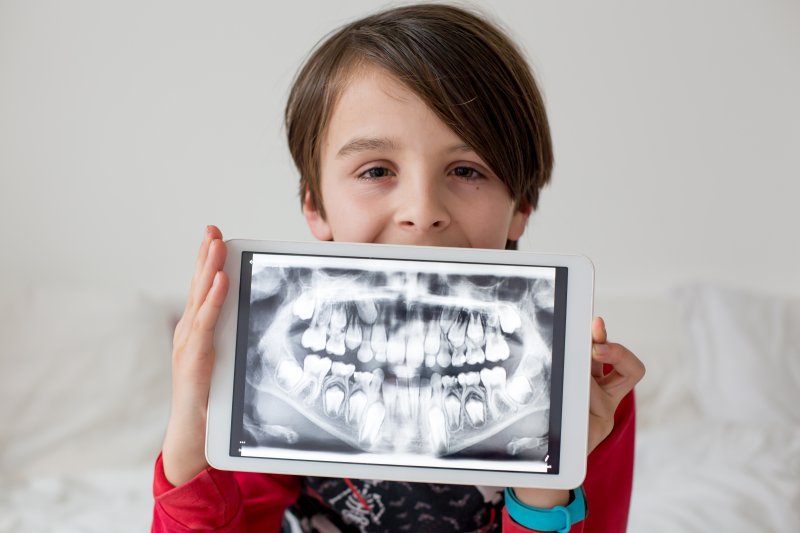
Dental X-rays are an important part of preventive dental care for children. They allow dentists to see areas of the mouth that cannot be examined with a visual check alone, such as developing teeth, bone structure, and spaces between teeth. Some parents may feel concerned about radiation exposure, but modern dental X-rays are considered very safe for children. Understanding why they are safe can help you feel confident about your child’s dental care.
1. Modern Dental X-Rays Use Very Low Radiation Levels
One of the main reasons dental X-rays are safe for kids is that modern technology uses extremely low levels of radiation. Digital X-rays, which are commonly used today, produce significantly less radiation than traditional film X-rays. In fact, the amount of radiation from dental X-rays is very small and comparable to the natural background radiation people are exposed to in everyday life.
Dentists carefully follow safety guidelines to ensure children receive only the amount of radiation necessary to diagnose and monitor oral health. X-rays are only recommended when they provide important information that cannot be obtained through a regular dental exam.
2. Protective Equipment Adds an Extra Layer of Safety
Dentists take additional steps to protect children during dental X-rays. Protective lead aprons and thyroid collars are often used to shield sensitive areas of the body from unnecessary radiation exposure. These protective measures help ensure that radiation is focused only on the area being examined.
Dental offices also follow strict protocols for positioning and equipment use to further minimize exposure. These safety practices are designed specifically with patient protection in mind, making the process safe and routine.
3. Dental X-Rays Help Detect Problems Early
Dental X-rays play a crucial role in identifying issues before they become more serious. For children, X-rays can reveal cavities forming between teeth, monitor how permanent teeth are developing, and detect problems with jaw growth or tooth alignment. Early detection allows dentists to treat issues before they cause pain, infection, or more complex dental problems.
By catching concerns early, dental X-rays can often reduce the need for more invasive procedures later. This makes them a valuable preventive tool that supports long-term oral health for children.
4. X-Rays Help Monitor Growth and Development
Children’s mouths are constantly changing as they grow, lose baby teeth, and develop permanent teeth. Dental X-rays allow dentists to track these changes and ensure teeth are coming in properly. They can also help identify issues such as impacted teeth, missing teeth, or overcrowding that may require orthodontic treatment.
Monitoring growth with X-rays helps dentists create personalized treatment plans that support healthy development and prevent future complications.
Dental X-rays are a safe and essential part of maintaining your child’s oral health. When used responsibly and with modern technology, they provide valuable information that helps dentists protect your child’s smile. If you have concerns about dental X-rays, your child’s dentist can explain when they are needed and how safety measures are used to keep your child protected.
About the Author
Dr. Roxanne Clark has been a dentist for nearly 2 decades. She earned her dental doctorate at the University of Maryland’s School of Dentistry. After working for several years as a general dentist, she completed separate programs to specialize in pediatric dentistry and dentistry for the developmentally disabled. Over the years, Dr. Clark has completed hundreds of hours of continuing education. She’s currently a member of the American Dental Association, the Maryland State Dental Association, and is a Diplomate of the American Board of Pediatric Dentistry. If you’re looking for a practice featuring the latest in technology, you could do no better than contacting us online for an appointment or by phone at (443) 241-7575.