
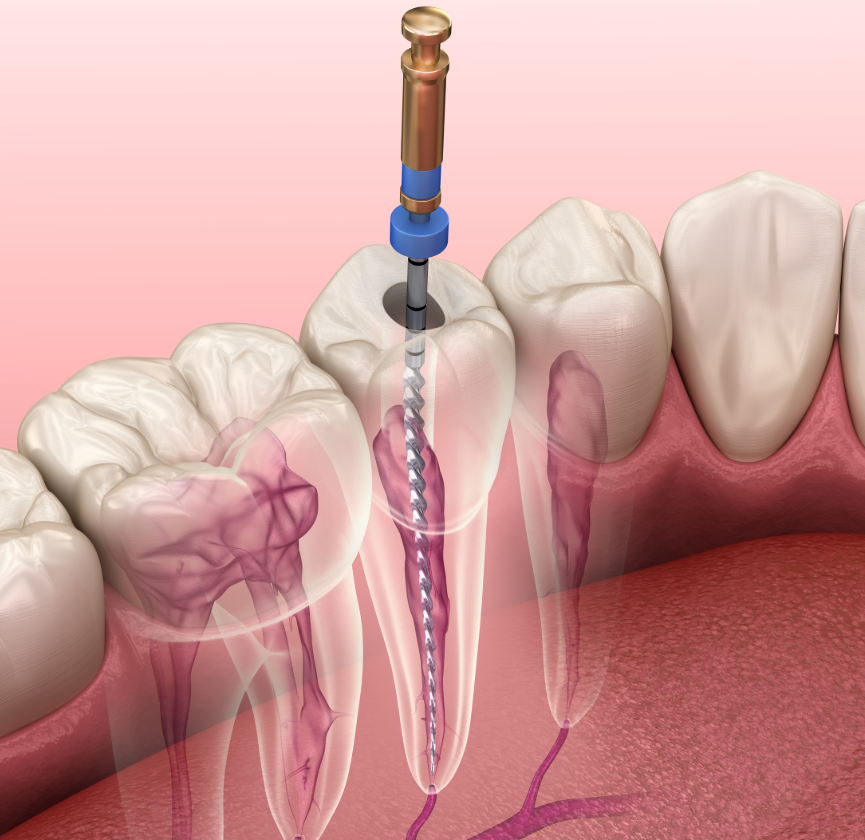
When a child needs pulp therapy (sometimes called a pediatric root canal), it can sound a lot scarier than it actually is. For many parents and kids, the biggest worry is pain—but modern dental techniques have completely changed the experience.
Pulp therapy is used to treat inflammation or infection inside a tooth while preserving as much of the natural tooth as possible. It’s a safe, common procedure designed to relieve discomfort, not cause it. In fact, most children feel significantly better after treatment than they did before.
During the Procedure: Comfort Comes First
One of the most important things to know is that pulp therapy today is virtually painless. Before the procedure begins, the dentist numbs the area thoroughly using local anesthesia. This ensures your child won’t feel pain during treatment.
Many pediatric dental offices also use gentle techniques, distraction tools, and calming communication to help children stay relaxed. In some cases, sedation options may be available for especially anxious patients.
During the procedure itself, your child may feel pressure or movement, but not pain. The goal is always comfort and reassurance from start to finish.
Why Root Canal Treatment Has a Bad Reputation
The idea that root canals are painful is largely based on outdated experiences or untreated dental infections. Before modern anesthesia and advanced techniques, dental procedures were less comfortable than they are today.
Ironically, the pain people associate with root canals usually comes from the infection itself—not the treatment. The procedure is what removes the source of that pain and helps the tooth heal.
Today, pulp therapy is designed to stop discomfort quickly and preserve your child’s dental health.
What to Expect After Pulp Therapy
After the procedure, it’s normal for a child to experience mild soreness once the anesthesia wears off. This is usually minor and temporary, similar to how muscles feel after a workout.
Most discomfort can be managed easily with over-the-counter pain relief recommended by your dentist. Soft foods are also helpful for the first day or two while the tooth settles.
Any tenderness typically improves within a few days, and children are usually back to normal routines very quickly.
Tips for a Smooth Recovery
Helping your child recover comfortably is simple with a few gentle steps:
Encourage soft foods like yogurt, pasta, or mashed potatoes for the first 24–48 hours.
Avoid chewing on the treated side until sensitivity improves.
Use prescribed or recommended pain relievers as directed.
Maintain good oral hygiene, but be gentle around the treated area.
Watch for any unusual swelling or prolonged discomfort and contact your dentist if needed.
These small steps can make recovery smooth and stress-free.
A Comfort-Focused Experience
The most important takeaway is this: pulp therapy is not the painful experience many people imagine. With modern dentistry, children are kept comfortable throughout the entire process, and the procedure itself often brings relief from the discomfort caused by infection or decay.
Most kids leave feeling much better than they expected—and parents are often surprised at how easy the experience is overall.
About the Practice
Kids Dental Space provides gentle, compassionate pediatric dental care focused on creating positive experiences for children. Dr. Roxanne Clarke specializes in preventive dentistry and restorative treatments like pulp therapy, using modern techniques designed for comfort and reassurance. We are dedicated to helping kids feel safe, supported, and confident during every visit while promoting healthy smiles that last a lifetime.
Call us at (443) 608-5005 or schedule your appointment online.