
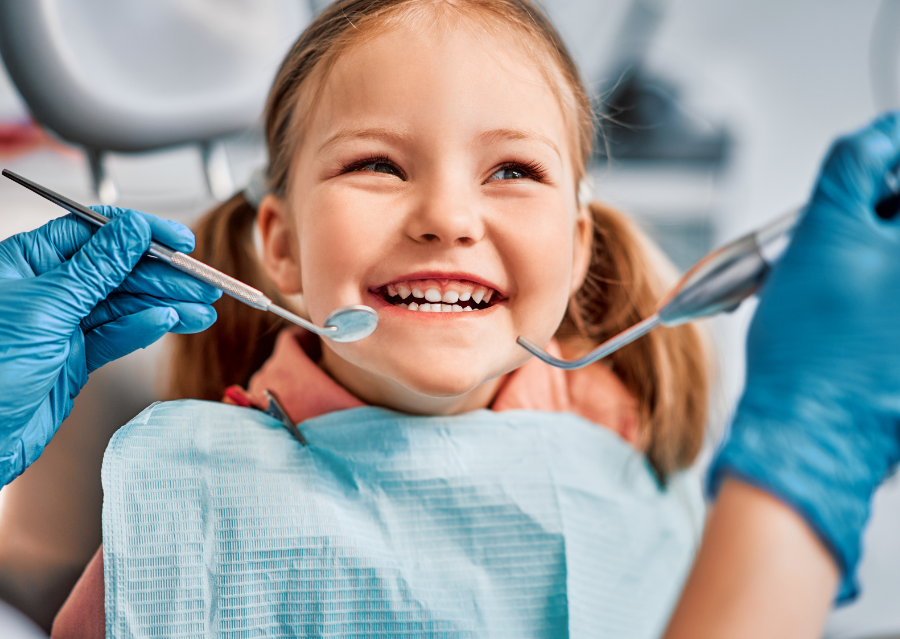
Hearing that your child may need a “root canal” can sound alarming, especially when it involves baby teeth. However, these procedures—commonly called pulp therapy in pediatric dentistry—are safe, effective treatments designed to relieve pain and save primary teeth when decay becomes severe. Preserving baby teeth until they fall out naturally plays a crucial role in your child’s comfort, development, and long-term oral health.
Understanding what pulpotomies and pulpectomies involve can help you feel more confident if your child ever needs this type of care.
Why Baby Teeth Matter More Than You Think
Primary teeth do much more than hold space for adult teeth. They help children chew properly, speak clearly, and maintain proper alignment for incoming permanent teeth. Losing baby teeth too early due to decay or infection can lead to crowding, bite problems, and the need for orthodontic treatment later.
When a cavity reaches the inner pulp of a tooth—where nerves and blood vessels are located—simple fillings may no longer be enough. In these cases, pulp therapy can remove infection, relieve discomfort, and preserve the tooth until it’s ready to fall out on its own.
What Is a Pulpotomy?
A pulpotomy is often recommended when decay has reached the pulp in the crown portion of a baby tooth but has not spread to the roots. During this procedure, the dentist removes the infected pulp tissue from the top of the tooth while leaving the healthy pulp in the roots intact.
After the affected tissue is removed, the area is cleaned and treated with a medicated material to prevent further infection. The tooth is then restored, often with a durable crown, to protect it and allow normal function.
Pulpotomies are sometimes referred to as a “baby root canal,” but they are less extensive than traditional root canal treatment. The goal is to maintain the vitality of the remaining pulp and keep the tooth stable.
What Is a Pulpectomy?
A pulpectomy is recommended when infection or decay has spread throughout the entire pulp, including the root canals. In this procedure, all pulp tissue is removed from the tooth’s crown and roots.
The canals are carefully cleaned, disinfected, and filled with a biocompatible material designed for primary teeth. The tooth is then restored, often with a crown, to ensure strength and durability.
Although more extensive than a pulpotomy, a pulpectomy can successfully eliminate infection and preserve the baby tooth until it naturally exfoliates.
What to Expect During Treatment
Pulp therapy is designed with children’s comfort in mind. The area is numbed to prevent pain, and many pediatric practices offer calming techniques or sedation options to help children feel relaxed during the procedure.
After treatment, mild soreness may occur for a day or two, but most children return to normal activities quickly. Restoring the treated tooth with a crown helps protect it from further damage and allows your child to eat and speak comfortably.
The Importance of Preserving Baby Teeth
Saving a baby tooth whenever possible helps guide permanent teeth into proper position and supports healthy jaw development. Premature tooth loss can lead to shifting teeth, spacing issues, and potential speech or chewing difficulties.
Pulp therapy provides a reliable way to address severe decay while maintaining the function and structure of your child’s smile. By treating infection early and preserving primary teeth, you’re supporting your child’s oral health now and in the future.
Protecting baby teeth today helps build the foundation for a healthy, confident smile tomorrow.
About the Practice
At Kids Dental Space, Dr. Roxanne Clarke provides compassionate, specialized pediatric dental care designed to help children feel safe, confident, and excited about their smiles. With a dental career that began in 2009 and advanced specialty training in pediatric dentistry, Dr. Clarke is dedicated to easing dental anxiety while promoting lifelong oral health. Her patient-centered approach, combined with extensive continuing education and community outreach, allows the practice to deliver gentle, personalized care that supports healthy development and positive dental experiences for every child.
Call us at (443) 608-5005 or request an appointment online.